The Allure of Randomness
The psychology of casino gambling is deeply intertwined with the human fascination for randomness and chance. Players often find excitement in the unpredictability of games, from slot machines to poker app tables. This thrill is not merely about winning but also the emotional rush that accompanies every spin of the wheel or flip of a card. The uncertainty keeps players engaged, as they cling to the hope of hitting a jackpot or achieving a winning hand.

Moreover, the brain’s reward system plays a crucial role in reinforcing gambling behaviors. Winning, or even the mere anticipation of a win, releases dopamine—producing feelings of pleasure. This biochemical response promotes a cycle of behavior where players continually seek out the thrill, often overlooking the potential risks involved.
Social Influences on Gambling Choices
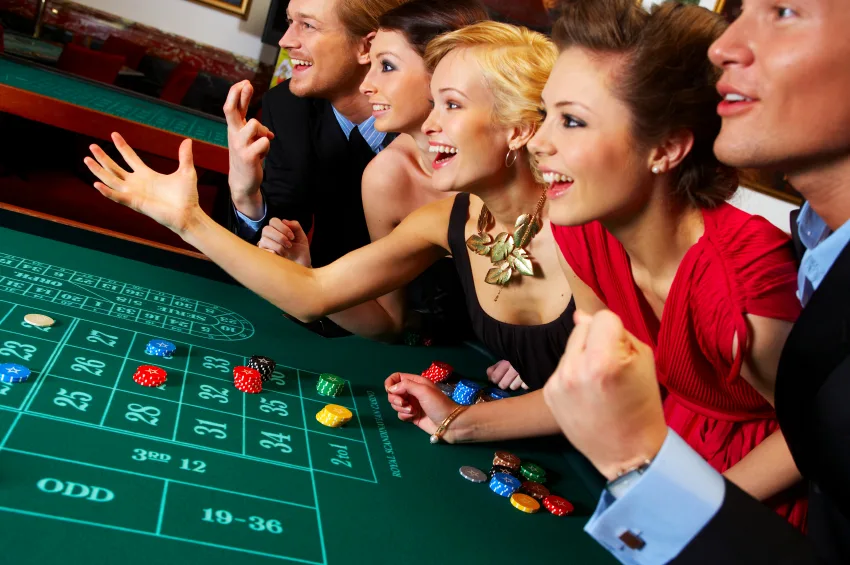
Gambling is often viewed as a social activity, and the influence of peers can significantly impact individual choices at casinos. Group dynamics can amplify the excitement of gambling, leading to collective decisions that might not be made in isolation. The camaraderie built within a group can diminish perceptions of risk, encouraging members to gamble more than they might typically do alone.
Additionally, social norms and cultural factors contribute to gambling behaviors. In some societies, gambling is celebrated and integrated into social events, whereas in others, it may be stigmatized. These cultural differences affect how individuals perceive their own gambling choices and the likelihood of engaging in gambling activities.
The Role of Cognitive Biases
Cognitive biases significantly shape how gamblers make decisions. Many players fall prey to the gambler’s fallacy, the belief that past events can influence future outcomes in random games. For instance, an individual might think that a slot machine is ‘due’ for a payout after a series of losses, leading to continued play and increased spending despite the odds remaining the same.
Other biases, such as the illusion of control, can also play a pivotal role. Gamblers may believe they can influence the outcome of a game through skill or strategy, which can lead to overconfidence and reckless betting behavior. Understanding these psychological traps is essential for recognizing patterns in gambling choices and managing them more effectively.
Emotional Drivers Behind Gambling
Emotional states strongly influence gambling choices. People often gamble to escape negative emotions or to enhance positive feelings. Stress, boredom, and sadness can drive individuals to seek solace in the thrill of the casino environment. The bright lights, sounds of winning, and the overall atmosphere can temporarily elevate mood and provide an escape, albeit often at a cost.
Conversely, gambling can also lead to or exacerbate negative emotional states, creating a vicious cycle. As players experience losses, feelings of shame, guilt, or anxiety may arise, prompting them to gamble more in hopes of recouping losses. This emotional rollercoaster is crucial to understanding the psychological underpinnings of gambling behaviors.
Your Safe Space to Explore Gambling Psychology
At our website, we prioritize your well-being and security as you explore the fascinating world of casino gambling. We aim to provide a safe and informative platform that not only delves into the psychology behind gambling choices but also addresses potential concerns and safeguards players from undue risks. Our resources are designed to enhance your understanding while ensuring a seamless online experience.
Whether you are a casual player or someone looking to comprehend the deeper motivations behind gambling decisions, we are here to support your journey. We encourage responsible gambling and aim to provide insights that resonate with your experiences, helping you make informed choices that align with your values and lifestyle.